


Mice and Rats
COMMON RODENTS
Did you know? The Norway rat builds elaborate systems of tunnels and burrows at ground level.
The house mouse has large ears and is light brown to dark grey, with a lighter colour on its belly. It is often found in urban areas.
Mice cause damage by gnawing on insulation and building material, furniture, paper, clothing, and books. They contaminate food with their urine, hair, and droppings. Food can become contaminated with germs like salmonella. Mice also carry fleas, mites, and the disease hantavirus.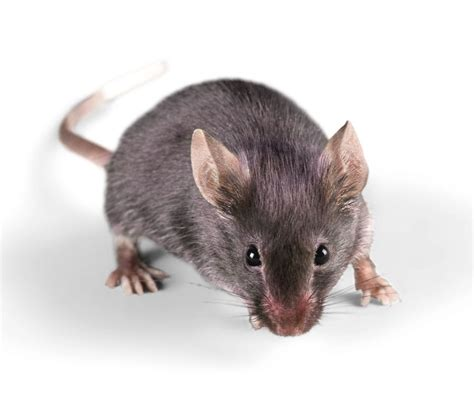
The deer mouse is brown or grey with a white belly and feet. The white colour on the underside of its tail is an easy way to spot a deer mouse. It may invade buildings near fields and woodlands in the fall.
While preferring to live outside in underbrush, tree cavities, shrubs, tall grasses and crevices in rocks, they do at times invade nearby homes, garages, sheds, barns, warehouses and factories. This commonly occurs in the fall when colder weather moves in, and they are searching for warm shelter, food and water. Once indoors, the deer mouse seeks refuge in basements, attics and crawl spaces where human activity is minimal. They will eat what humans do, including discarded food waste, and they create food reserves in holes close to their nesting areas.
They cause damage to property through biting, chewing, foraging and burrowing. They can and will chew through vinyl, wiring, insulation, drywall, plastic and books. Deer mice are one of the main carriers of hantavirus pulmonary syndrome, a respiratory disease, which is dangerous to humans.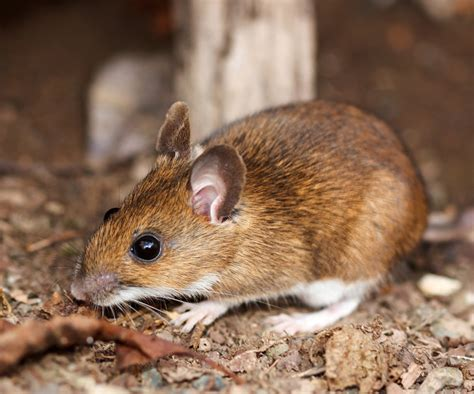
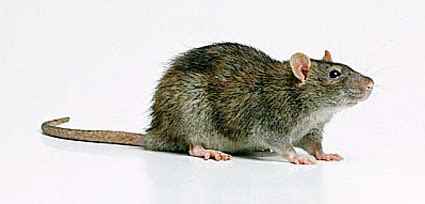
A rat is larger than a mouse and can weigh up to 0.5 kilograms (1 pound). Rates prefer damp areas like crawl spaces or building perimeters. The Norway rat has a wide range of colours – from reddish to greyish brown or completely black on the back and sides. The underparts are tinged with grey to a buff or yellowish-white. White, spotted and ‘laboratory’ rats are only colour variations of the Norway rat.
Knowing the type of pest you have can help you figure out the best approach to controlling them. (For example, a rat trap is too large to kill a mouse.)